


Rangsit University
Client
Rangsit University
Project Type
UX/UI Design · Website Redesign · CMS Development · Modular Content System
Industry
Education / University / Institutional Website
Project Overview
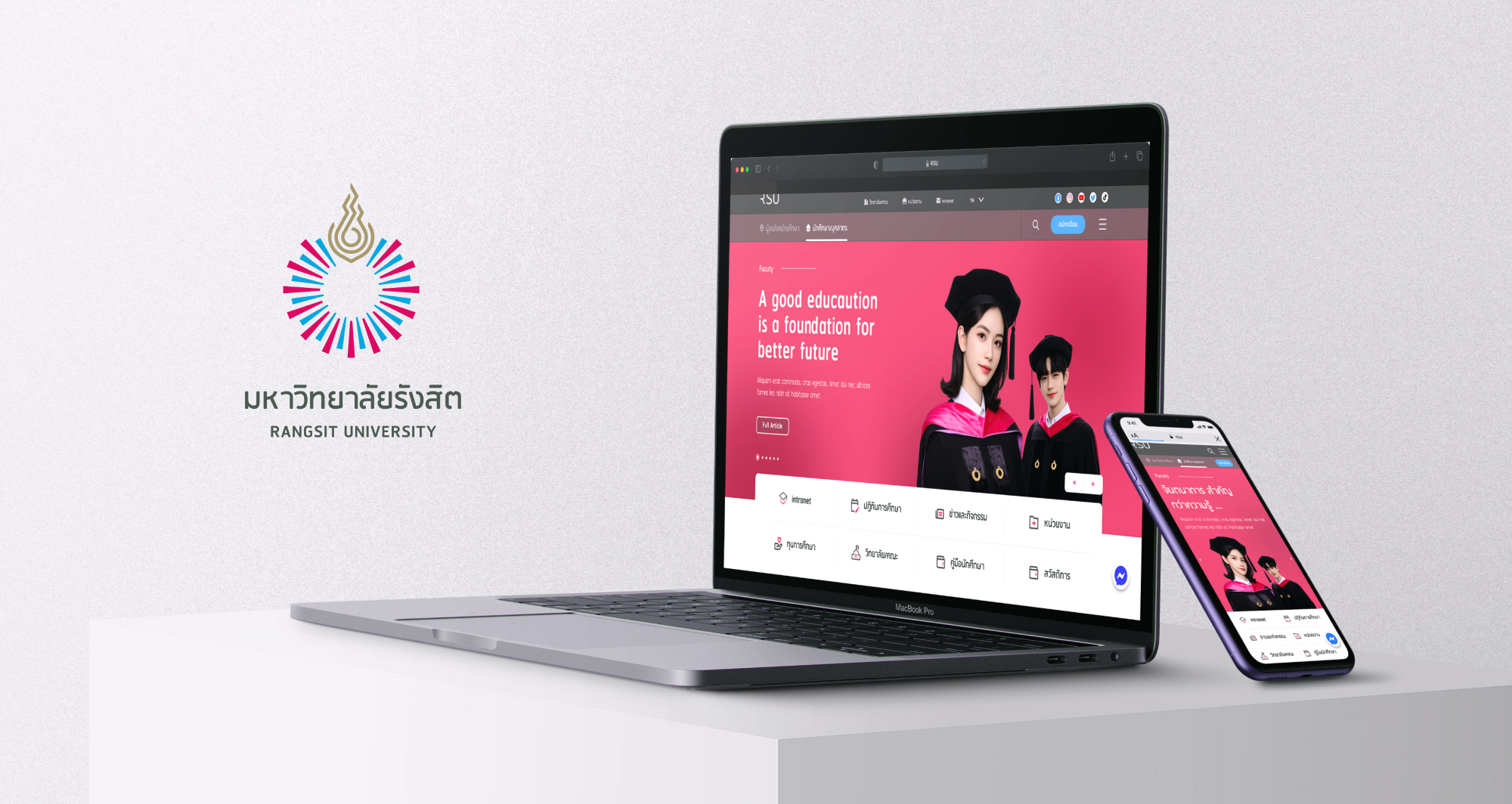
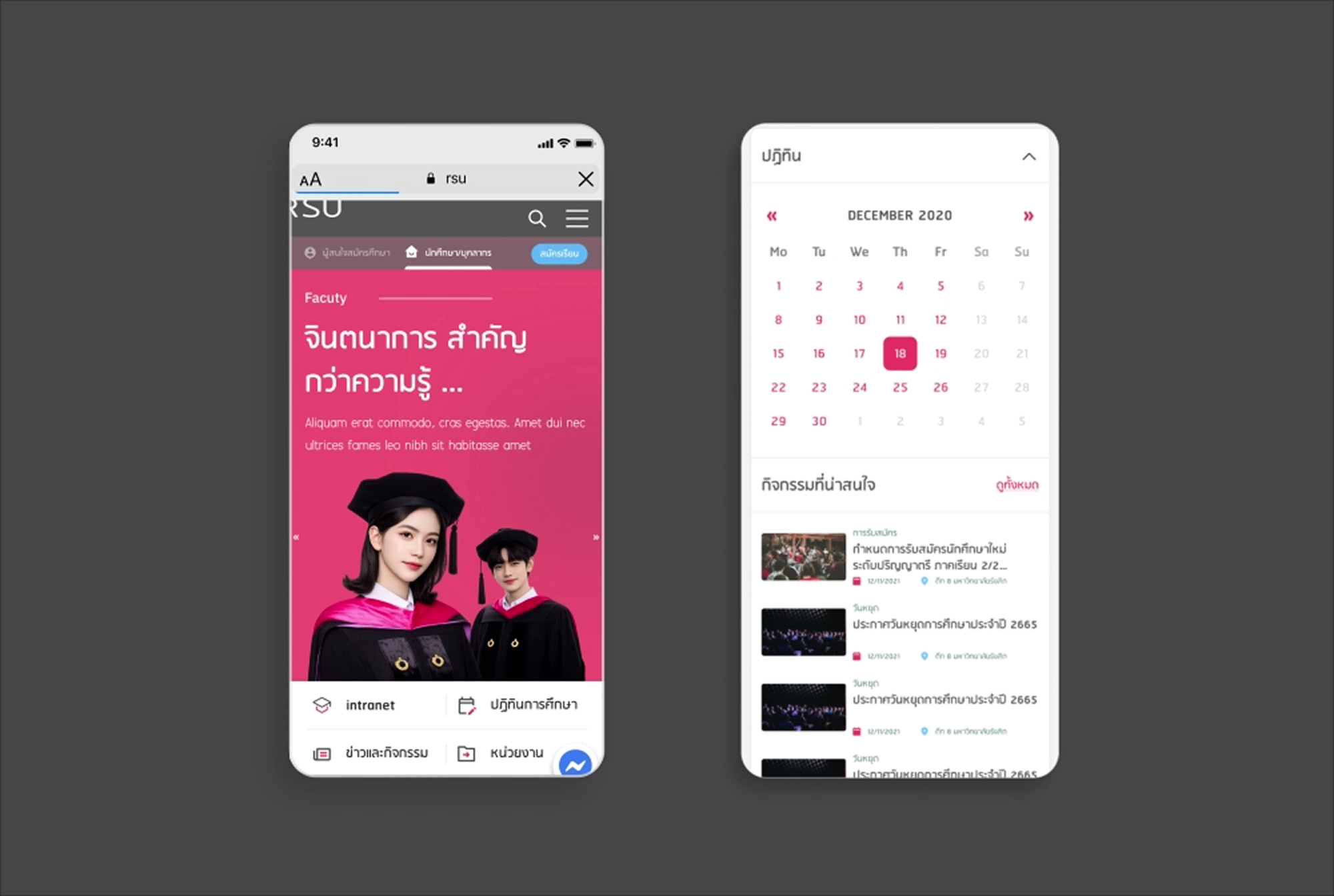
Rangsit University commissioned Allwork Studio to redesign and redevelop its institutional website, including the creation of an entirely new Content Management System (CMS) architecture to improve flexibility, scalability, and internal workflow management.
Previously, all website content updates had to be managed centrally, creating operational bottlenecks and limiting the ability of faculties and departments to independently manage their own information. The new system was designed to decentralize content management, allowing faculties and internal departments to control and customize their own sections while still maintaining overall platform consistency.
The project focused on improving accessibility for prospective students, parents, and current students — ensuring important news, academic information, and university updates could be accessed quickly and clearly across all devices.
UX/UI Design Focus
The design strategy focused on creating a scalable university ecosystem that balances centralized governance with decentralized flexibility.
Key UX/UI goals included:
- Accessible Information Architecture: Designed to help students, parents, and visitors quickly find academic programs, news, admissions information, and university services
- Decentralized Content Management: Faculties and departments can independently manage their own content without relying entirely on a central administrative team
- Modular Design System: Instead of forcing every faculty into a single rigid template, the system allows each department to customize layouts and content modules based on their identity and communication needs
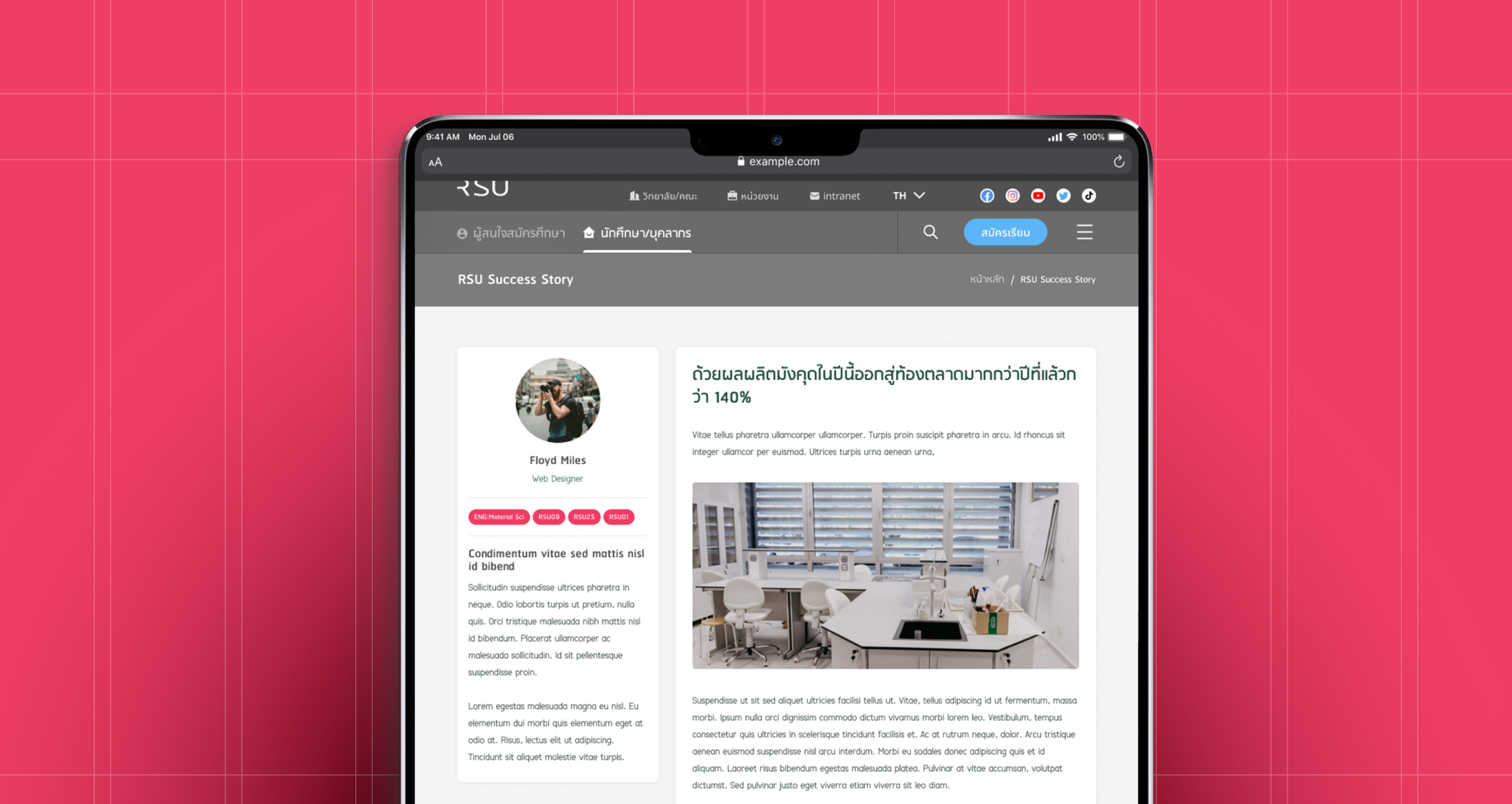
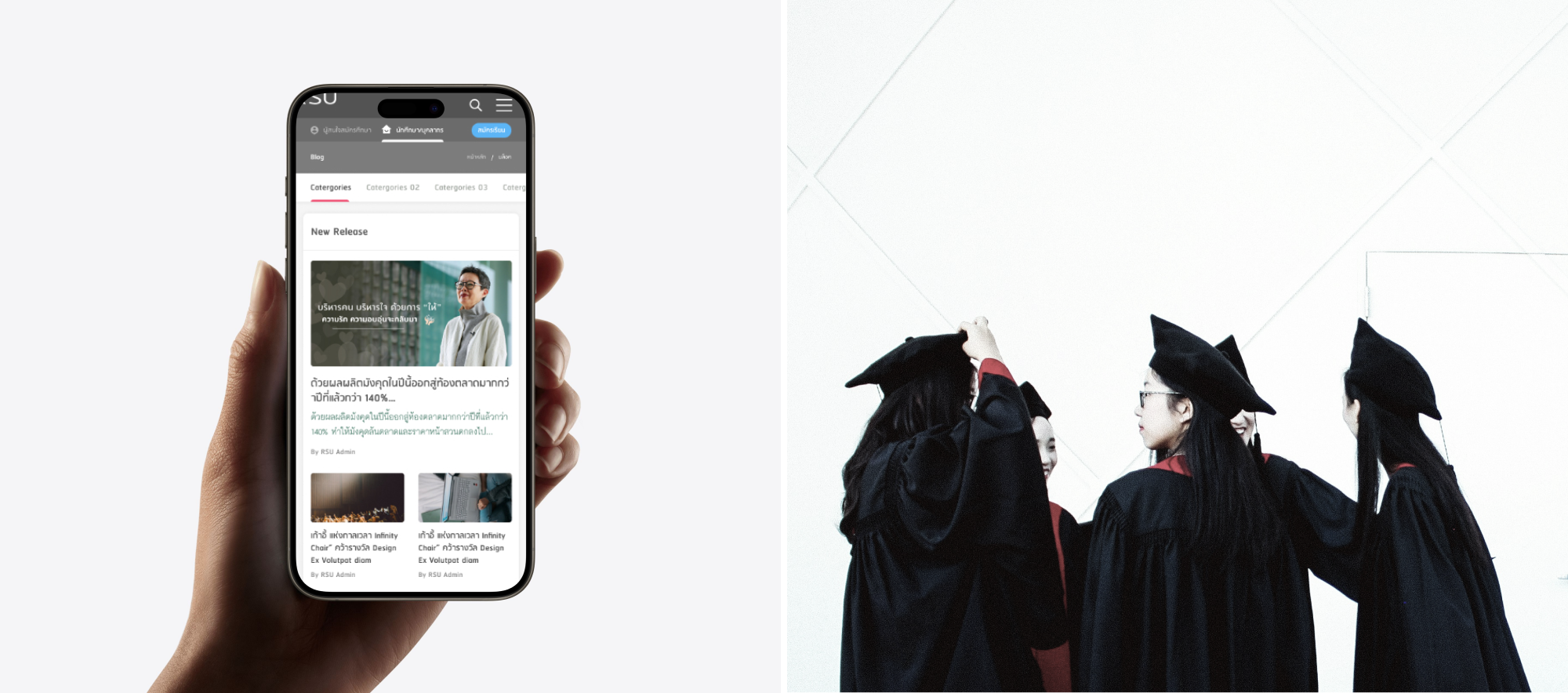
- Responsive Multi-Device Experience: Optimized for desktop, tablet, and mobile usage to support modern browsing behavior
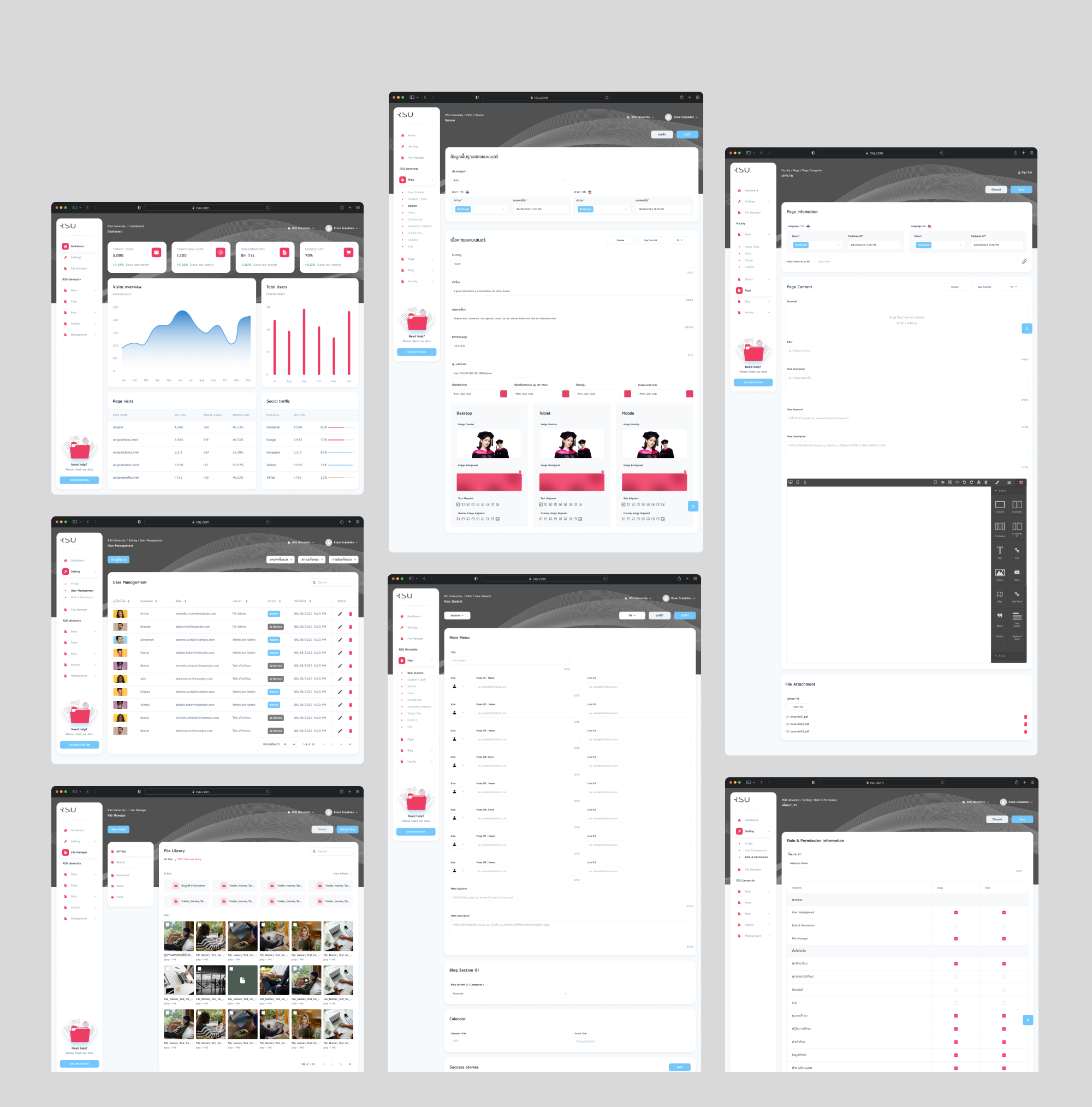
- Scalable Role & Permission Structure: Developed flexible role management tools that allow administrators to create custom permissions and workflows for different departments and user groups
Key Website Features
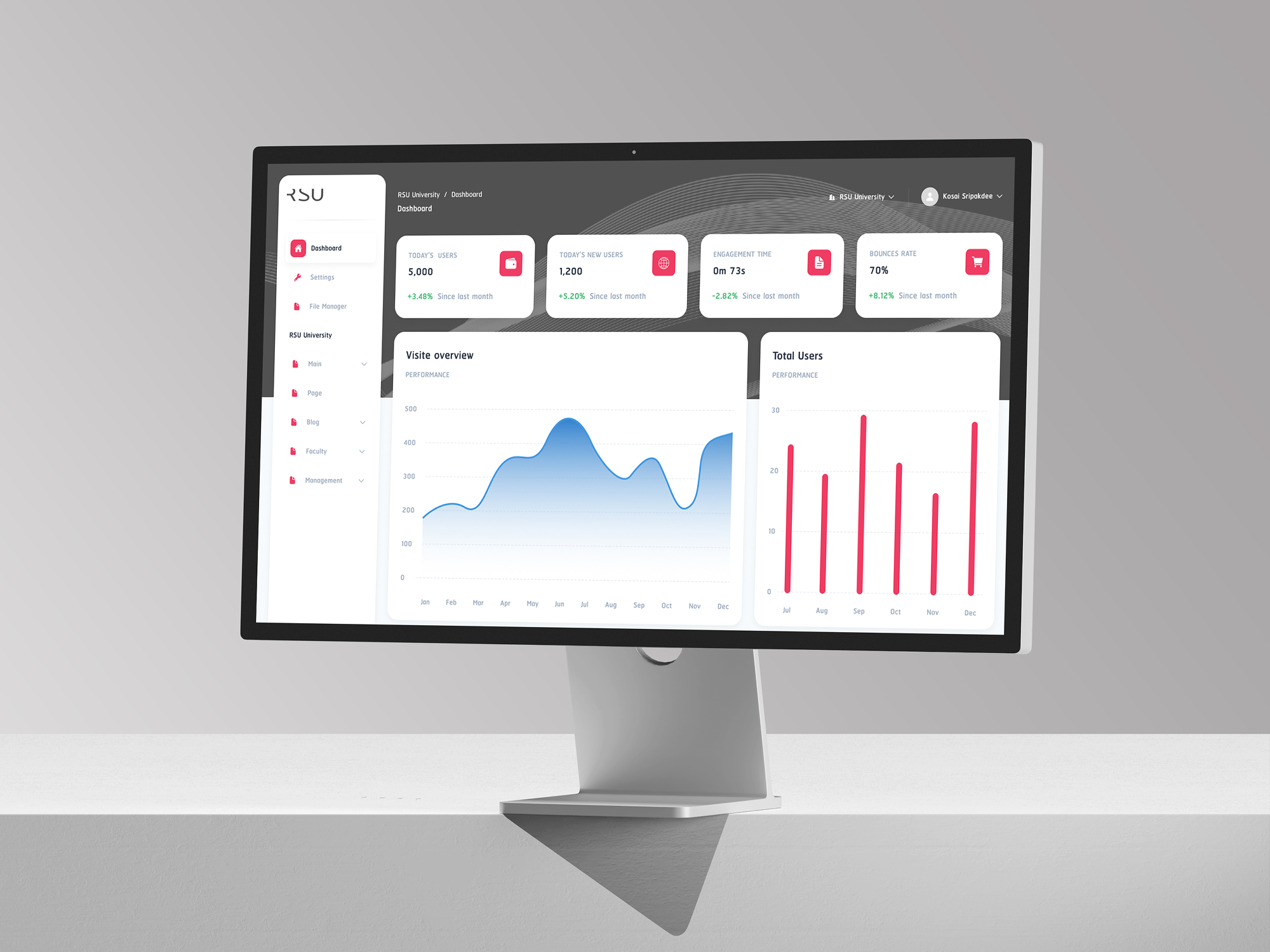
- Custom CMS Architecture: Developed a new content management structure designed for multi-department collaboration
- Role & Permission Management: Allows administrators to define custom user roles and editing scopes across faculties and internal teams
- Modular Page Builder System: Faculties can select and arrange content modules independently instead of relying on a fixed layout structure
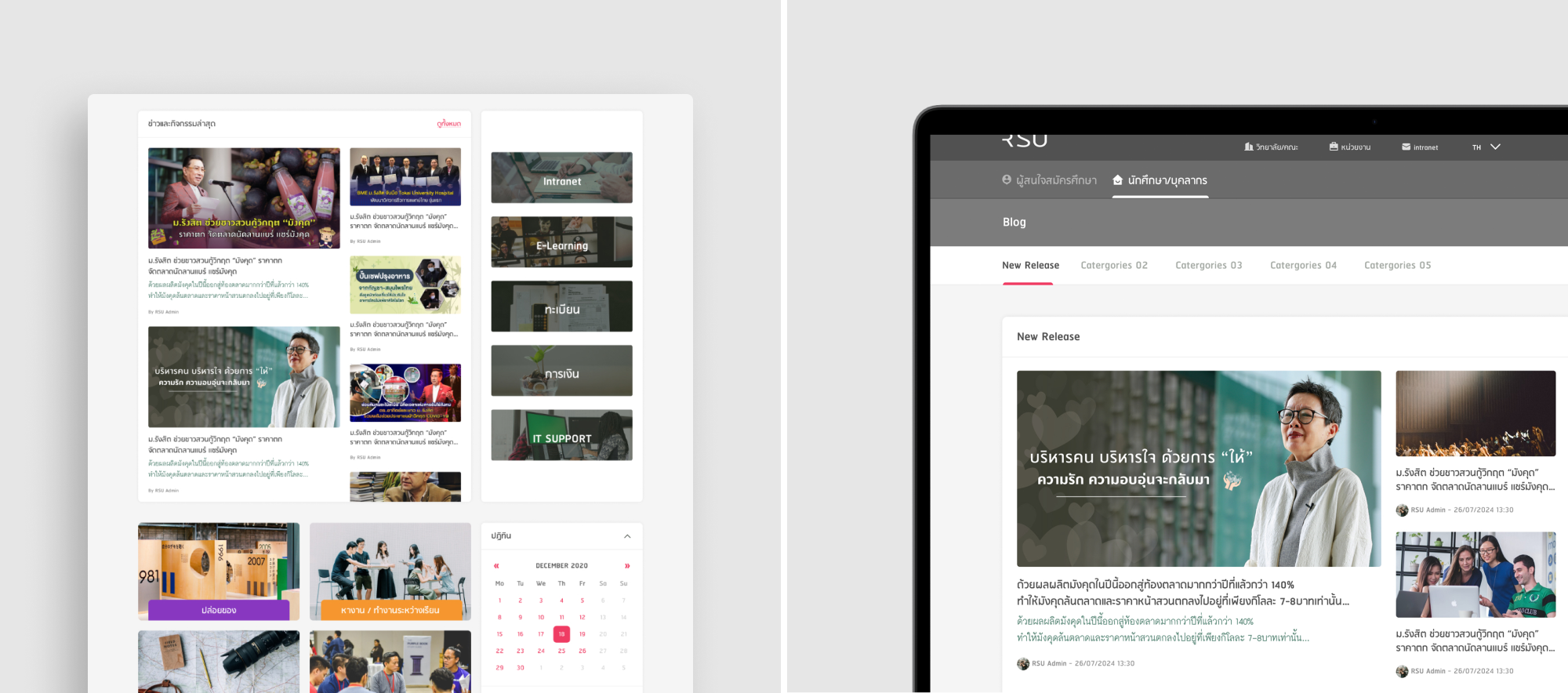
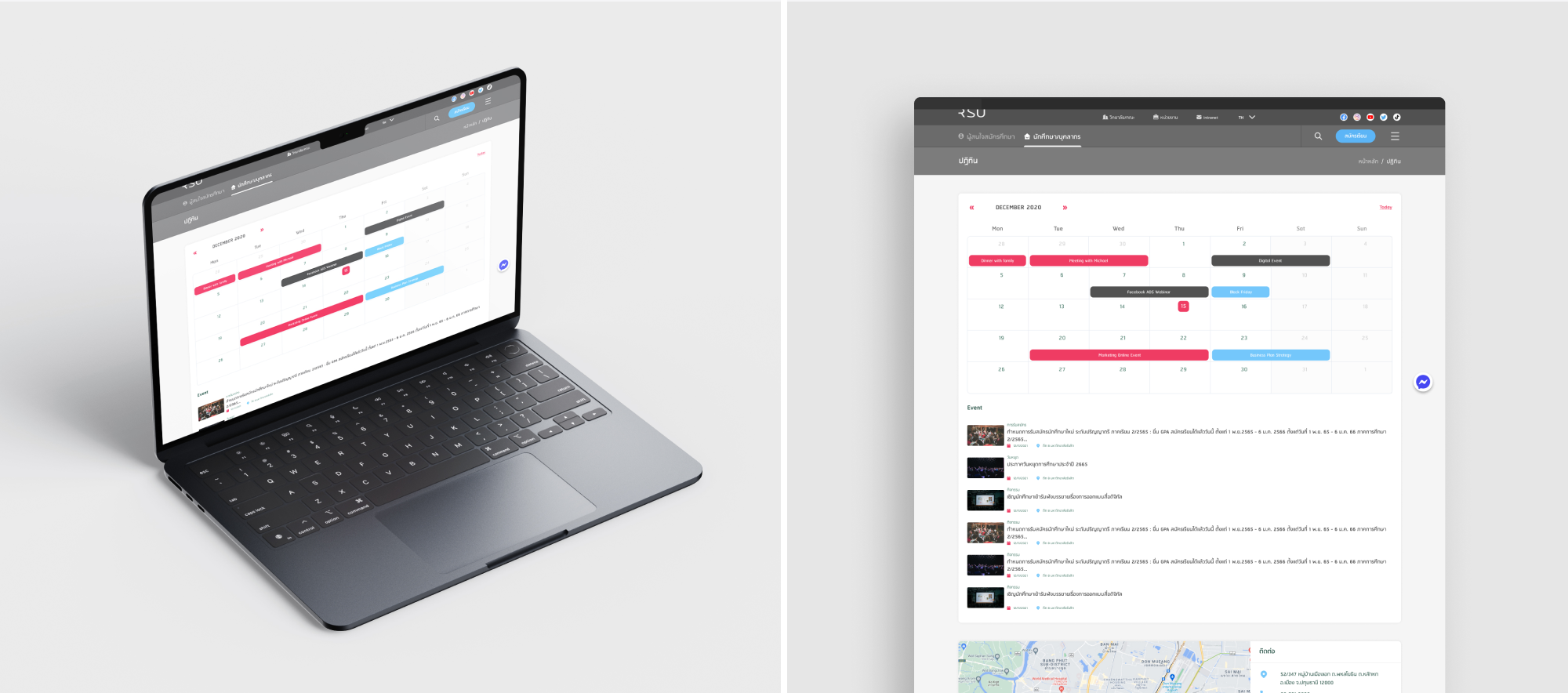
- University News & Announcement System: Prioritizes important updates and events for immediate visibility
- Faculty-Level Customization: Each faculty can maintain its own visual identity, content structure, and communication style while staying within the university ecosystem
- Responsive Navigation System: Simplified navigation structure for students, parents, and prospective applicants
Outcome
- Reduced operational bottlenecks by decentralizing website content management
- Improved communication efficiency between the university, faculties, and students
- Enabled departments to independently manage and update their own websites
- Created a scalable digital infrastructure capable of supporting future university growth
- Enhanced the overall user experience through clearer navigation, faster access to information, and mobile-friendly usability
- Strengthened the university’s digital ecosystem with a more flexible and future-ready platform
Final Thoughts
Modern university websites are no longer just information portals — they are dynamic digital ecosystems that support communication, education, and institutional identity at scale.
“A successful digital platform is not defined by how much content it contains — but by how clearly people can access, manage, and experience it.”
At Allwork Studio, we design educational platforms that balance usability, flexibility, and operational efficiency. By combining UX/UI design with scalable CMS architecture, we help institutions create digital systems that work for both users and internal teams.